Brisbane Welfare Check Tragedy: Unpacking the Fatal Incident in Tingalpa and Broader Implications
The quiet Brisbane suburb of Tingalpa was rocked by a tragic incident recently, thrusting the critical and often complex practice of brisbane welfare check services into the spotlight. What began as a routine call to ensure an individual's safety escalated into a fatal confrontation, leaving a community in shock and prompting urgent questions about how law enforcement responds to mental health crises and dynamic situations.
This article delves into the details of the Tingalpa tragedy, explores the inherent challenges faced by police during welfare checks, and offers insights into when and how community members might consider requesting such assistance for loved ones in distress.
The Tragic Encounter: A Welfare Check That Ended in Loss
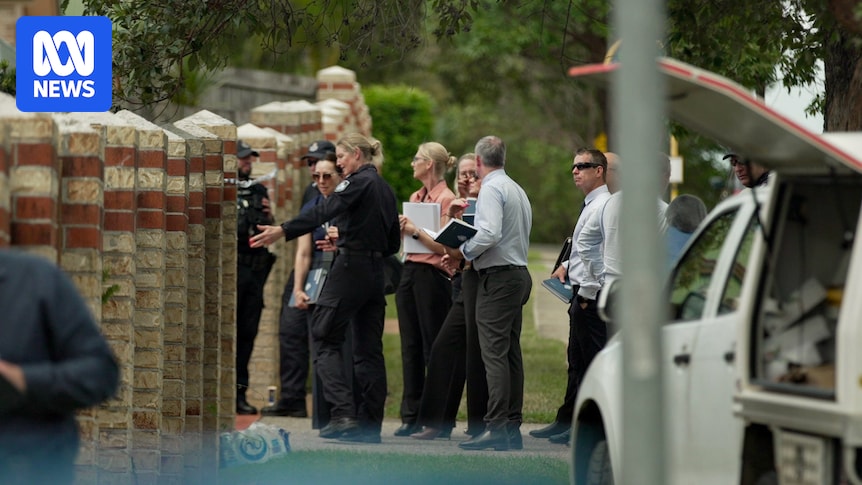
In the early hours of a Tuesday morning, emergency services were dispatched to a residence on Thurston Street in Tingalpa, Brisbane, following a request for a welfare check. The focus of this call was a 21-year-old man, whose well-being had reportedly become a cause for concern. However, the situation quickly deteriorated upon police arrival.
Officers encountered the individual allegedly armed with a knife, reportedly making threats towards them. Attempts were made to de-escalate the situation and negotiate with the man. Despite these efforts, the confrontation reached a critical point around 10:30 a.m., leading to police discharging their firearms. Tragically, the man sustained fatal injuries and, despite immediate medical assistance provided at the scene, he succumbed to his wounds.
Acting Chief Superintendent Heath McQueen addressed the media, describing the event as "devastating." He extended heartfelt condolences to the family of the deceased, acknowledging the profound loss they had endured. McQueen also expressed concern for the welfare of the officers involved, confirming that they were receiving essential support following the traumatic incident. One officer reportedly sustained a minor injury during the tense confrontation, highlighting the inherent dangers present in such high-stakes scenarios.
Navigating the Pressures: Law Enforcement and Crisis Intervention
The Tingalpa incident underscores the immense pressures and complexities faced by police officers when responding to welfare checks, particularly those involving individuals in crisis. Acting Chief Superintendent McQueen emphasized the challenging nature of these dynamic situations, where officers are often required to make split-second decisions under extreme duress. He conveyed confidence that the force used by police in this specific instance was justified given the circumstances.
Community reactions to the event reflect a mixture of shock and concern. Residents of the usually serene Tingalpa neighborhood were deeply affected. Neighbor Megan Schofield recounted hearing a series of gunshots – estimating around ten – and police commands, describing a sudden shift from tranquility to chaos. Such incidents leave a profound impact, not only on the families directly involved but also on the wider community, prompting a broader discussion about law enforcement protocols and interactions with vulnerable individuals. For a deeper look into these community concerns, read Brisbane Welfare Checks Under Scrutiny: Community Questions Mount.
In the aftermath, a comprehensive investigation has been launched. A crime scene was immediately established, and the Queensland Police Service's Ethical Standards Command is leading the inquiry, with crucial oversight from the Crime and Corruption Commission. This multi-layered investigation is standard practice in incidents involving police-involved deaths, ensuring transparency and accountability in reviewing the officers' actions and the overall management of the situation.
When to Call for a Welfare Check: A Community's Dilemma and Actionable Advice
The Tingalpa tragedy, while extreme, brings into sharp focus the common dilemma faced by friends, family, and community members: when should one call for a brisbane welfare check? The decision is often fraught with anxiety, driven by concern for a loved one's safety but also apprehension about involving authorities.
Consider the scenario of a concerned friend whose friend has been posting increasingly disturbing content on social media – screenshots of bank details, paranoid ramblings, and continuous posts indicating no sleep for over 14 hours. The friend suspects a psychotic break, possibly triggered by past trauma and drug issues, and is unable to get a response to messages. This personal account highlights several key indicators that might prompt a welfare check:
- Sudden or Drastic Changes in Behaviour: This could include paranoia, extreme agitation, withdrawal, or an uncharacteristic lack of communication.
- Concerning Social Media Activity: Posts that suggest self-harm, suicidal ideation, severe mental distress, or a complete disconnect from reality.
- Loss of Contact: If a person who usually communicates regularly becomes unresponsive for an extended period, especially if other warning signs are present.
- Signs of Neglect or Inability to Care for Self: This might be evident through social media, or if you have reason to believe they are not eating, sleeping, or maintaining personal hygiene.
- Threats to Self or Others: Any direct or indirect threats should be taken seriously and prompt immediate action.
How to Initiate a Welfare Check
If you believe a friend or family member in Brisbane is at risk and requires a welfare check, here's some practical advice:
- Gather Information: Collect as much detail as possible. This includes the individual's full name, approximate address (even just a suburb like "West End" can be a starting point), age, any known mental health conditions, relevant history (e.g., past trauma, substance abuse), and specific reasons for your concern.
- Contact Queensland Police: In non-emergency situations where you are concerned for someone's welfare, you can contact the Queensland Police Service via their non-emergency line (131 444). For immediate, life-threatening emergencies, always dial Triple Zero (000).
- Clearly Articulate Your Concerns: Be precise and calm when explaining why you believe a welfare check is necessary. Share any evidence, such as concerning social media posts or text messages.
- Be Prepared for Follow-Up: While police cannot always disclose details due to privacy, they may ask for additional information or provide guidance on next steps.
It's important to remember that while a welfare check can be a vital intervention, it also carries inherent risks, especially when the individual involved might be agitated, unwell, or potentially armed. Understanding these complexities can help you make an informed decision. For more detailed information on the process and potential outcomes, consider reading Brisbane Welfare Checks: When to Call & What Are the Risks?
Beyond Intervention: Seeking Support and Navigating Mental Health Crises
The Tingalpa incident underscores a broader societal challenge: how best to support individuals experiencing mental health crises and ensure the safety of all involved. While police often serve as first responders in such situations, a comprehensive approach requires collaboration with mental health professionals and community support services.
If you or someone you know is struggling with mental health issues, there are numerous resources available:
- Crisis Hotlines: Services like Lifeline (13 11 14) or Beyond Blue (1300 22 4636) offer confidential support 24/7.
- Mental Health Services: General practitioners can provide referrals to psychologists, psychiatrists, and other mental health specialists. Community mental health services also offer support and intervention programs.
- Support Networks: Connecting with support groups or peer networks can provide valuable understanding and coping strategies.
- Early Intervention: Addressing mental health concerns early can often prevent escalation to crisis levels. Encouraging open communication and reducing the stigma around mental illness are crucial steps.
The aim is always to provide compassionate and appropriate care, ensuring that individuals in distress receive the help they need in the safest possible manner for themselves and for those who are trying to help them.
Conclusion
The tragic outcome of the brisbane welfare check in Tingalpa serves as a sobering reminder of the complex and often perilous nature of these calls. It highlights the difficult balance police officers must strike between maintaining public safety and de-escalating situations involving individuals in profound distress. While investigations continue to shed light on the specifics of the Tingalpa incident, the broader community conversation about welfare checks, police training, mental health support, and crisis intervention protocols will undoubtedly continue. It is through these discussions, coupled with improved resources and community awareness, that we can collectively strive to prevent future tragedies and ensure that individuals in crisis receive the compassionate and effective support they deserve.